Faucet leak repair
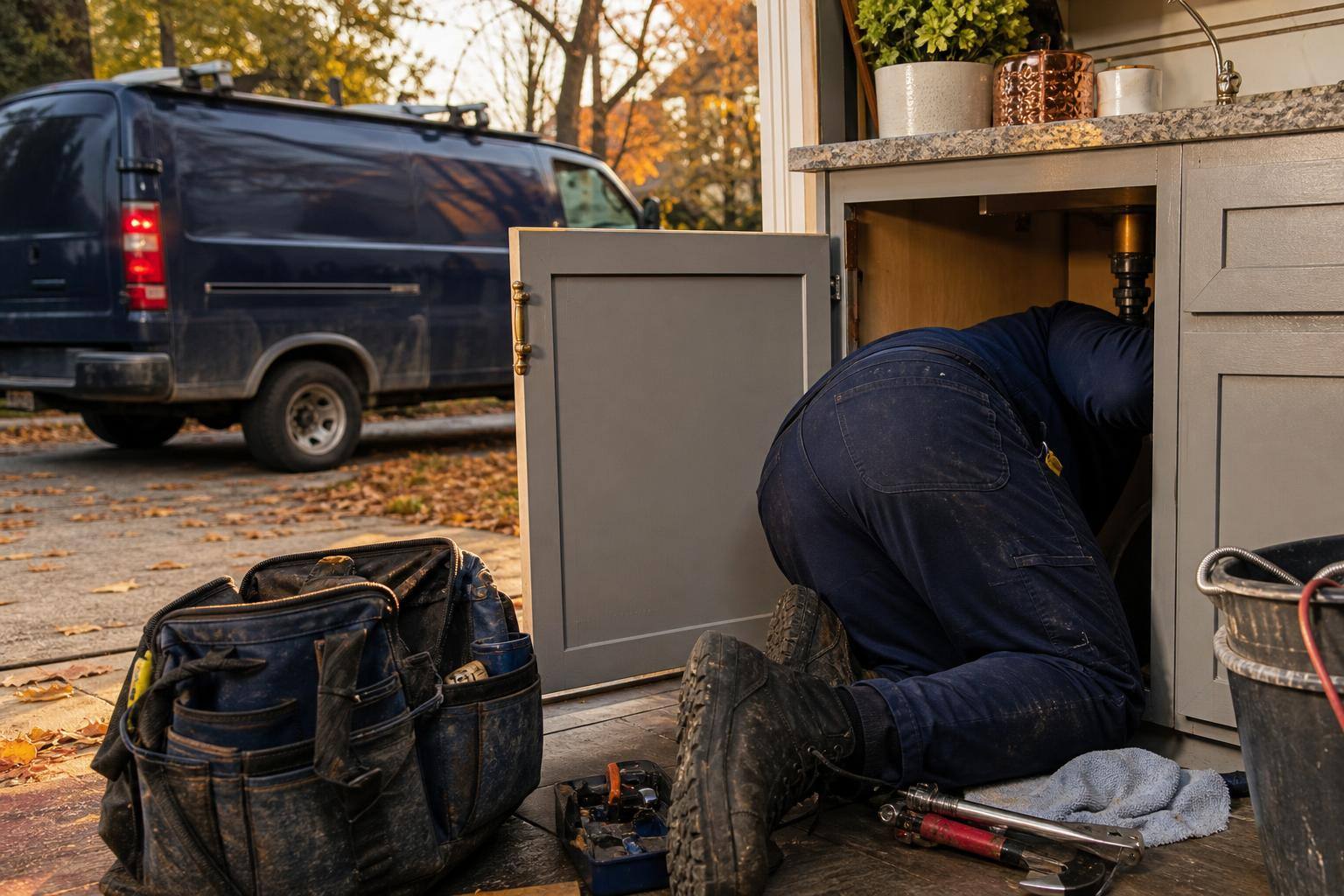
A Pittsburgh faucet leak repair visit checks the fixture, connections, shutoff, and nearby cabinet or wall moisture before the affected part is serviced.
Leak repair service · Pittsburgh, PA
A hillside rowhouse in Pittsburgh’s South Side can hide a supply line leak behind finished walls and below street grade. A leak repair visit matches the testing and access the property requires.
A real person answers · No forms · No waiting on a quote email
Plan
Older Pittsburgh rowhouses and hillside homes commonly need a hidden leak or pipe leak repair visit when moisture appears far from the fixture or basement piping.
Quote
The quote is given on the call, with cost changing by leak location, access, parts, materials, and time on site.
Time
The visit time is set on the call after the symptoms, property access, and affected plumbing area are discussed.
From Squirrel Hill basements to Greenfield rowhouses, Oakland rentals, and steep homes above the Monongahela, Pittsburgh leak work often means tracing water through aging piping, dense clay soil, finished walls, and uneven access before making the repair.
Services
Pittsburgh
Pittsburgh homes often put plumbing in basements, crawl spaces, narrow utility rooms, or buried runs beneath steep lots. Rowhouses may share tight side access, while older houses in neighborhoods such as Brookline and Beechview can have concealed piping behind finished surfaces. Heavy rain, freeze thaw movement, and clay soil can complicate tracing water from the visible symptom to the actual failure.
A Pittsburgh faucet leak repair visit checks the fixture, connections, shutoff, and nearby cabinet or wall moisture before the affected part is serviced.
Toilet leak repair in Pittsburgh includes checking the tank, supply connection, base, and surrounding floor for water moving into a basement ceiling or subfloor.
In Pittsburgh rowhouses and older detached homes, supply line leak repair isolates the damaged connection and checks nearby walls, floors, and shutoffs.
Hidden leak detection traces unexplained moisture or water loss through Pittsburgh walls, basement ceilings, crawl spaces, and buried plumbing routes.
Slab leak detection suits Pittsburgh properties with water loss or warm, damp flooring where piping below the concrete may be affected.
Water line leak repair addresses damaged piping between the property and plumbing system, including difficult Pittsburgh yards with slopes and clay soil.
A whole home leak inspection helps Pittsburgh homeowners with several damp areas, unexplained water use, or an uncertain source across multiple plumbing zones.
The most common Pittsburgh jobs begin with a visible leak visit or hidden leak detection. Rowhouses, older basements, and steep lots can move water away from its source, so the right tier depends on what is accessible and how far the symptoms spread.
A technician identifies and assesses an accessible leak at a fixture or exposed pipe.
This fits an accessible faucet, toilet, valve, or exposed basement pipe in Pittsburgh. The technician identifies and assesses the leak without starting with a broader concealed-water investigation.
A technician traces concealed moisture or water loss using standard diagnostic methods.
Choose this when a Pittsburgh ceiling, wall, floor, or basement shows moisture but the fixture looks dry. Standard diagnostic methods trace concealed moisture or water loss.
A technician isolates the affected section and repairs or replaces damaged piping.
This suits a damaged supply line, water line, or exposed pipe on a Pittsburgh property. The affected section is isolated, then repaired or replaced as needed.
A comprehensive visit checks multiple plumbing zones when the leak source is uncertain.
This fits a Pittsburgh home with several damp zones, recurring water loss, or no clear source. Multiple plumbing zones are checked when one isolated observation is not enough.
Cost
Leak repair prices in Pittsburgh depend on what can be reached, how far water has traveled, and whether the source is a fixture, concealed pipe, slab, or buried line. The quote is given on the call after discussing the property, symptoms, likely work area, parts, materials, access, and time on site.
A faucet connection is handled differently from a concealed wall, slab, basement, or buried water line leak in Pittsburgh, so the suspected source changes the work.
Steep Pittsburgh lots, narrow rowhouse side paths, dense clay soil, crawl spaces, and finished walls can change the labor involved in reaching the affected piping.
The required replacement parts and materials depend on pipe type, fixture model, connection condition, and whether surrounding piping also shows damage.
The extent of water loss, isolation work, tracing, removal, repair, and cleanup affects time on site, especially where Pittsburgh homes have layered or aging plumbing.
A clear phone discussion helps avoid surprise charges by identifying the symptoms, property layout, suspected plumbing zone, access limits, and possible parts before the exact quote is given.
What goes in
This category covers faucets, toilets, valves, and related connections. A typical Pittsburgh fixture leak may affect a cabinet, finished floor, basement ceiling, or neighboring rowhouse wall.
These leaks are concealed in walls, floors, slabs, ceilings, crawl spaces, or utility areas. Pittsburgh freeze thaw movement and older buried infrastructure can make tracing necessary.
This covers damaged water piping serving the property. Pittsburgh hillside yards, clay soil, and limited side access can affect how the line is located and reached.
Not accepted. Leak repair visits do not cover hazardous materials, unrelated electrical work, structural reconstruction, or damage outside the affected plumbing system.
Projects
Faucet leak repair suits kitchens and bathrooms in Pittsburgh rowhouses, detached homes, and rentals when the fixture or its connections are accessible.
Toilet leak repair checks the fixture, supply line, base, and nearby flooring, which matters in older Pittsburgh homes with finished rooms below.
Slab leak repair addresses affected piping below concrete after the source is assessed, including Pittsburgh properties where floor moisture has no visible fixture cause.
Supply line leak repair isolates damaged piping at a fixture or appliance, with Pittsburgh cabinet layouts and narrow utility areas affecting access.
Water line leak repair handles affected buried or exposed service piping, including sloped Allegheny County yards with dense clay soil.
Hidden leak detection traces concealed water loss through walls, floors, and basements in Pittsburgh neighborhoods such as Greenfield, Brookline, and Beechview.
Whole home leak inspection checks multiple plumbing zones when a Pittsburgh property has several damp areas or no clear source.
A real person answers by phone around the clock and records the property type, plumbing symptoms, and immediate water concerns.
Explain where moisture appears, when it started, which fixtures were running, and whether the basement, wall, slab, or yard is involved.
The technician discusses the likely visit type, access needs, repair approach, and exact quote before work proceeds.
The affected plumbing is repaired or replaced as approved, with the work area left ready for the next property step.
Weather
Pittsburgh’s snowy winters and freeze thaw cycles can stress exposed and buried plumbing. Heavy rain can add basement moisture and make a leak harder to separate from surface water, while cold conditions can limit outdoor access on steep or muddy lots.
Placement
Work may occur at a Pittsburgh faucet, toilet, basement, crawl space, slab, utility room, or yard. Rowhouse side paths, finished walls, steep grades, dense clay soil, stored belongings, and limited parking can restrict the route to shutoffs and piping.
Permits
Some Pittsburgh leak repairs involving alterations to building plumbing or work affecting public space may require review, permits, or inspection from the City of Pittsburgh or another local authority. The call covers what may apply and who arranges the required step for the property.
Allegheny County homes may be subject to HOA rules, covenants, condominium procedures, or landlord approval. Check whether interior access, yard excavation, shared piping, or exterior restoration needs written permission before the visit.
Clear the suspected leak area, nearby shutoffs, cabinets, basement paths, crawl space entries, and utility rooms. Provide parking for the work vehicle where possible, keep people and pets away, and account for snow, mud, rain, and slippery Pittsburgh slopes.
Coverage includes Pittsburgh neighborhoods and settings such as Downtown, the Strip District, Lawrenceville, Oakland, Squirrel Hill, Greenfield, Shadyside, Brookline, Beechview, South Side, and hillside homes along the Monongahela and Allegheny rivers. Nearby service areas include Cranberry Township, New Stanton, Greensburg, Uniontown, and Ligonier.
Not sure about your street? Ask on the call and we will tell you which office handles it.
Timing
Pittsburgh leak work can increase during winter freezes, freeze thaw transitions, and spring rain. Cold weather exposes weak exterior connections, while thawing ground and heavy rainfall can reveal buried water line problems or add moisture to basements. Scheduling is set on the call based on the symptoms and access.
Frozen or repeatedly thawed piping can produce fixture, supply line, and water line leaks. Snow and icy grades may limit access around Pittsburgh basements, side paths, and sloped yards.
Heavy rain and thawed clay soil can make basement moisture difficult to trace and outdoor repairs harder to reach. Keep the suspected area visible and describe whether water follows rainfall or fixture use.
Service area
Pittsburgh is part of our Allegheny County coverage, and we also serve the neighboring communities below.
Why us
Pittsburgh’s steep urban hillsides can put a leak source above or below the room where water appears. A basement ceiling, retaining-side yard, or rowhouse wall may need a different diagnostic approach than the visible drip suggests.
Apex Plumbing Service · Pittsburgh
Aging buried infrastructure, freeze thaw cycles, heavy rain, and dense clay soils all affect leak work across Allegheny County. The property layout and access route are discussed before the leak repair visit is matched to the job.
Click Here to Call (888) 206-2089FAQs
Still have a question about Pittsburgh? Call (888) 206-2089 and ask a real person.
Pittsburgh leak repair cost depends on the leak type, location, access, parts and materials, distance, and time on site. A faucet connection, concealed wall leak, slab leak, and buried water line require different work. The exact quote is given on the call after the symptoms and property conditions are discussed.
A visible leak visit fits an accessible fixture or exposed pipe, while hidden leak detection fits moisture with no visible source. Pipe leak repair suits damaged piping, and a whole home investigation fits several symptoms or an uncertain source. Older Pittsburgh basements and hillside homes may make the hidden source more likely.
The visit time is set on the call after the symptoms, access, and plumbing area are reviewed. Emergency plumbing concerns can be discussed with the real person who answers around the clock. Have the property location and current water conditions ready.
It covers fixture leaks, concealed plumbing leaks, water line leaks, tracing, and approved repair or replacement of affected piping. Work may involve faucets, toilets, supply lines, slabs, basements, utility rooms, crawl spaces, or yards. The exact scope depends on what the visit finds.
It does not cover hazardous materials, unrelated electrical work, structural reconstruction, or damage outside the affected plumbing system. Drywall, flooring, cabinetry, landscaping, and other restoration should be discussed separately if the leak damaged those areas.
Some plumbing alterations or work affecting public space may need review, permits, or inspection from the City of Pittsburgh or another local authority. The call covers what may apply to the property and who arranges the required step.
Clear the suspected area, cabinets, shutoffs, basement paths, crawl space entries, and utility rooms. Provide work vehicle parking where possible, keep pets and people clear, and mention narrow rowhouse access, steep grades, snow, mud, or standing water.
Have the property location, property type, affected room, fixture status, shutoff information, timing of the moisture, and any photos or visible damage ready. Also mention whether water appears after rain, during fixture use, or without an obvious trigger.
Yes, snow, freezing conditions, freeze thaw cycles, and wet clay soil can limit access to exterior lines, steep yards, and basement entries. Describe outdoor conditions and whether the leak is active so the visit can be planned around the work area.
Water can travel along framing, masonry, pipes, slabs, and basement ceilings before becoming visible. Pittsburgh’s hillside properties, older buried infrastructure, heavy rain, and dense clay soils can add competing moisture paths, so the visible damp spot may not identify the failed plumbing.
A real person answers · No forms · Every quote given on the phone