Faucet leak repair
A dripping faucet or wet cabinet in Atlanta kitchens and baths can need cartridge, valve, connection, or adjacent supply line assessment.
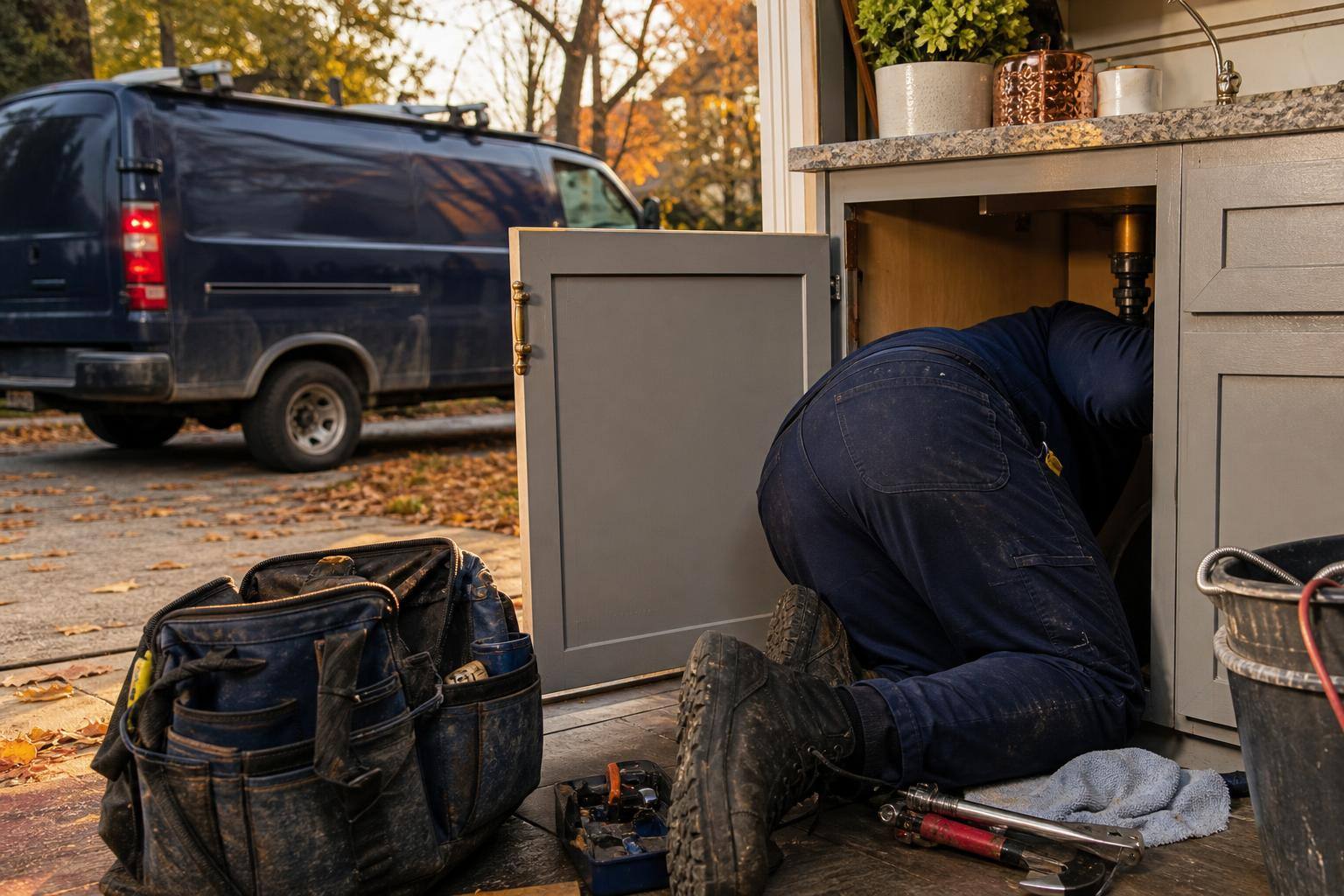
Leak repair service · Atlanta, TX
In Atlanta's older detached homes near downtown, a wet cabinet, stained wall, or warm floor can point to a leak behind the visible damage. One call gets the leak repair visit sorted.
A real person answers · No forms · No waiting on a quote email
Plan
Older Atlanta houses commonly fit a visible leak visit or hidden leak detection, while slab movement or yard loss may need pipe leak repair.
Quote
The quote is given on the call and changes with access, materials, time on site, distance, and after hours work.
Time
The visit time is set on the call around the home's access, water shutoff, and the urgency of the symptoms.
Atlanta's older detached homes near downtown often need fixture and supply line work, while properties toward the timber country edge may have yard water line issues. Homes with crawl spaces, slab areas, or clay soil movement can also need hidden leak detection and pipe leak repair after heavy rain or freezes.
Services
Atlanta
Atlanta's older detached housing brings a mix of accessible fixtures, aging supply lines, crawl space piping, and slab plumbing. Hot humid summers can keep damp areas wet, while thunderstorms and heavy rain make yard water harder to trace. Clay soils can shift buried lines, so the visible symptom may not mark the actual repair location.
A dripping faucet or wet cabinet in Atlanta kitchens and baths can need cartridge, valve, connection, or adjacent supply line assessment.
Toilet leaks in older Atlanta homes may show at the base, tank, shutoff, or floor, so the surrounding flooring needs careful checking.
Atlanta bathrooms and laundry rooms can develop leaks at flexible connections, shutoffs, or aging pipe joints behind fixtures.
Hidden leak detection traces unexplained dampness or water loss in Atlanta walls, crawl spaces, ceilings, and utility areas.
Slab leak detection helps Atlanta properties with warm floors, unexplained meter movement, or moisture appearing near foundation plumbing.
Clay soils around Atlanta can shift buried water lines, leaving wet yards, pressure changes, or water loss between the meter and house.
A whole home leak inspection suits Atlanta houses with several damp areas or an uncertain source across fixtures, walls, crawl spaces, and yards.
Most Atlanta leak jobs begin with a visible leak visit because older detached homes often expose the fixture or connection. Hidden leak detection fits moisture without a clear source, while clay soil movement, slab symptoms, or several affected zones call for broader work.
A technician identifies and assesses an accessible leak at a fixture or exposed pipe.
This fits a dripping faucet, toilet base, exposed valve, or wet supply connection in an older Atlanta kitchen, bath, laundry room, or utility area.
A technician traces concealed moisture or water loss using standard diagnostic methods.
Choose this when Atlanta flooring, walls, ceilings, or crawl spaces show moisture but no fixture explains it, especially after heavy rain or a freeze.
A technician isolates the affected section and repairs or replaces damaged piping.
This suits damaged piping under a fixture, in a crawl space, beneath a slab, or along a water line serving an Atlanta detached home.
A comprehensive visit checks multiple plumbing zones when the leak source is uncertain.
This broader visit fits recurring damp spots, unexplained water loss, or several plumbing zones in an Atlanta house where the source remains uncertain.
Cost
The exact quote is given on the call after the symptoms and property are discussed. Leak repair prices depend on the type and size of the job, parts and materials, time on site, access, distance, and after hours work.
A faucet connection, concealed pipe, slab leak, and whole home investigation require different diagnostic steps, repair methods, parts, and materials.
Distance from Atlanta and access through a crawl space, slab area, wall, yard, or crowded utility room can change time on site.
The affected pipe, valve, fixture, fitting, or supply line determines which parts and materials are needed for a sound repair.
Clay soil, standing rainwater, tight crawl spaces, buried lines, and after hours work can add preparation or labor to the visit.
To avoid surprise charges, describe every symptom and affected area during the call. The repair plan and exact quote are discussed before the work proceeds, including access limits and likely materials.
What goes in
This includes faucets, toilets, shutoffs, and visible connections. A dripping kitchen faucet or toilet leak is a typical Atlanta detached home load.
This covers concealed moisture or unexplained water loss in walls, ceilings, crawl spaces, slabs, and utility areas when no fixture shows the source.
This covers piping serving the house or crossing the yard. Atlanta clay soils can affect buried lines, especially after heavy rain or shifting ground.
Not accepted. The service does not cover unrelated water damage restoration, mold removal, electrical faults, roofing leaks, or materials and conditions outside the plumbing leak work.
Projects
Faucet leaks in Atlanta kitchens, baths, and laundry rooms may involve the fixture, shutoff, supply connection, or nearby cabinet piping.
Toilet repair in older Atlanta homes checks the tank, base, shutoff, supply line, and flooring for the actual source.
Atlanta slab leak repair begins by tracing water loss or warm flooring, then isolating the affected plumbing section beneath the slab.
A supply line leak in an Atlanta bathroom or laundry room can wet cabinets and flooring before the connection becomes visibly obvious.
Water line repair addresses buried or exposed piping serving Atlanta homes, including yard symptoms linked to clay soil movement.
Hidden leak detection suits Atlanta properties with unexplained damp walls, ceilings, crawl spaces, or water loss after storms.
A whole home leak inspection checks multiple plumbing zones in an Atlanta detached house when several symptoms make the source uncertain.
A real person answers by phone. Share the Atlanta property area, active water loss, visible damage, and whether the main shutoff is accessible.
Explain where moisture appears, when it started, what fixtures affect it, and whether rain, freezing weather, or water use changes the symptom.
The technician identifies the likely work, discusses the exact quote, and proceeds after the repair approach is approved.
The affected plumbing is repaired or replaced as planned, with the work area checked for continuing water loss before the visit is finished.
Weather
Atlanta's hot humid summers can keep damp wood and flooring from drying quickly. Thunderstorms bring heavy rain that can confuse indoor and yard leak symptoms, while occasional freezes can split exposed or poorly protected piping. Clay soils may shift buried lines after wet weather and complicate access.
Placement
Work may occur beneath an Atlanta crawl space, under a slab, inside a wall, in a utility room, beneath a sink, or across the yard. Low clearance, stored belongings, finished surfaces, standing rainwater, buried piping, and limited shutoff access can restrict the repair path.
Permits
A leak repair visit inside the home usually does not involve street work, but digging into a public area, changing a service connection, or restoring a disturbed right of way may require approval or inspection from the City of Atlanta or Cass County. The call covers who needs to arrange it.
Some Cass County subdivisions and rental properties have rules about exterior digging, visible piping, access, or work scheduling. Check the HOA, covenant documents, or landlord requirements before yard line work or changes visible from the property.
Clear access to the suspected leak, fixture shutoffs, main shutoff, crawl space, slab area, meter, or yard line. Keep a work vehicle parking area available, move belongings, and keep people and pets clear. Wet ground after Atlanta storms or freezing conditions may limit safe access.
Service covers homes and properties throughout Atlanta, including the downtown area, older residential streets, neighborhoods near U.S. 59, and the outer residential edges toward timber country. Nearby Cass County properties and close by towns can be discussed by phone, including Linden and Queen City where applicable.
Not sure about your street? Ask on the call and we will tell you which office handles it.
Timing
Leak repair stays relevant year round in Atlanta, but the symptoms change with the weather. Humid summer conditions keep small leaks hidden in damp areas, thunderstorms expose yard and foundation drainage concerns, and occasional freezes can damage exposed piping. Heavy rain and clay soil movement can bring buried water line problems to the surface.
Hot humid weather can make cabinet, crawl space, and wall moisture linger. Thunderstorms may saturate Atlanta yards and make a water line leak harder to separate from rainwater, so note when the dampness appears.
Occasional freezes can split exposed connections or pipes, while heavy rain leaves clay soil soft around buried lines. Keep the suspected area accessible and mention recent weather during the leak repair call.
Service area
Atlanta is part of our Cass County coverage, and we also serve the neighboring communities below.
Why us
Atlanta's older detached housing often places leak symptoms in crawl spaces, aging fixture connections, slab areas, or buried yard lines rather than at a modern, easily reached manifold. The repair visit is sized around the actual plumbing zone and access.
Apex Plumbing Service · Atlanta
Heavy rain, humid summers, occasional freezes, and Cass County clay soils change how water moves around a property. Those conditions make timing, moisture tracing, shutoff access, and the difference between a fixture leak and a buried line especially important in Atlanta.
Click Here to Call (888) 206-2089FAQs
Still have a question about Atlanta? Call (888) 206-2089 and ask a real person.
The exact quote is given on the call. Cost depends on the leak type and size, parts and materials, time on site, access, distance, and after hours work. Describe the fixture, room, crawl space, slab, or yard symptoms so the right visit can be considered.
A visible leak visit fits an accessible faucet, toilet, valve, or exposed pipe. Hidden leak detection fits unexplained moisture or water loss. Pipe leak repair suits damaged piping, while a whole home investigation fits several symptoms across an older detached Atlanta house.
The visit time is set by phone after the symptoms, property access, and urgency are discussed. Ask about same day or next day availability if needed, but timing depends on the schedule and the work required.
The service covers fixture leaks, hidden plumbing leaks, water line leaks, detection, and repair or replacement of the affected plumbing section. The work area may be a fixture, wall, crawl space, slab, utility room, or yard line.
It does not cover unrelated roofing leaks, electrical faults, mold removal, general water damage restoration, or non plumbing building repairs. Explain all visible damage during the call so the plumbing scope can be separated from other work.
Some work involving public areas, service connections, digging, or substantial plumbing changes may need approval or inspection from the City of Atlanta or Cass County. The call covers who is responsible for arranging any required local process.
Clear access is needed to the suspected leak, shutoffs, crawl space, slab area, meter, utility room, or yard line. Move stored items, provide parking for the work vehicle, and keep pets and people away from the work area.
Have the property location, affected room or yard area, water shutoff information, symptom history, recent weather, and any photos or visible damage ready. Mention whether the leak changes when a fixture runs or after heavy rain.
Yes. Humidity can keep indoor moisture present, thunderstorms can saturate yards, and clay soils can redirect water near buried lines. Occasional freezes may create new pipe damage, so note the weather before the symptom appeared.
Yes. Wet and shifting clay soils can stress buried water lines and change where water travels before reaching the surface. A wet yard, pressure change, or unexplained water loss may call for water line leak repair or hidden leak detection.
A real person answers · No forms · Every quote given on the phone